







Fuel costs continue to dominate aviation economics, representing 25-35% of direct operating expenses for most operators. In 2026, the aviation fuel climate remains volatile, driven by geopolitical tensions, supply chain constraints, and tightening environmental regulations. Operators are grappling with inconsistent regional pricing, supply reliability issues, and the pressure to integrate sustainable practices all amid rising jet fuel prices. Their pain points include exposure to spot market fluctuations, complex procurement logistics, and the challenge of balancing cost control with emissions compliance, all while maintaining operational reliability. Here are some insights that can help operators with fuel management and optimization.
Aviation Fuel Procurement Strategies
Effective fuel management aviation starts with strategic procurement. Traditional spot buying exposes operators to daily price swings, while long-term contracts provide stability but limit flexibility. Hybrid approaches, combining fixed-price agreements with indexed pricing, have gained traction.
The optimal strategy integrates an aircraft fuel management system that combines procurement intelligence with real-time consumption tracking. These systems enable operators to compare supplier pricing across airports, monitor contract performance, and forecast aviation fuel cost exposure. Data-driven platforms now incorporate AI for predictive pricing and optimal uplift recommendations.
For most operators, a multi-supplier strategy works best: securing baseline volumes through contracts while retaining spot market access for opportunistic buying. This balances aviation fuel cost predictability with aircraft fuel efficiency gains from optimized loading. Success depends on robust analytics to track uplift accuracy, supplier reliability, and contract compliance.
Global Jet Fuel Trends and Insights
Jet fuel prices reflect crude oil benchmarks but diverge due to regional refining capacity, taxes, and blending mandates. Geopolitical events, currency fluctuations, and weather-related supply disruptions create short-term spikes. Right now, several shifts define the landscape. First, regional price fragmentation persists, with Middle East hubs offering premiums for quality while Asia faces tightening supply. Second, aircraft fuel consumption patterns evolve as fleets modernize; the Boeing 737 MAX fuel consumption demonstrates 14-20% better efficiency than predecessors through advanced engines and aerodynamics.
Sustainable aircraft fuel mandates increasingly influence pricing, with mandatory blending targets emerging in Europe and North America. Cloud-based analytics and AI-driven route optimization further reduce baseline consumption by 2-5% through continuous climb/descent profiles and precise flight planning. Operators embracing these technologies gain competitive advantages in both cost and compliance.
Sustainable Aviation Fuel (SAF)
Sustainable aviation fuel represents drop-in biofuels and synthetic fuels produced from waste oils, agricultural residues, municipal waste, or atmospheric CO₂. SAF aviation fuel achieves 70-90% lifecycle greenhouse gas reductions compared to conventional jet fuel, requiring no aircraft or engine modifications. Its importance stems from aviation's unique challenges: electric or hydrogen propulsion remains decades away for long-haul operations, making aviation biofuel the only near-term path to deep decarbonization. Regulatory pressure accelerates adoption - EU mandates target 2% SAF blending in 2025 rising to 70% by 2050, while corporate net-zero commitments drive voluntary uptake.
Recent conventional fuel shortages highlight SAF aviation fuel's strategic value. Supply chain vulnerabilities exposed in 2025-2026 underscore the need for fuel diversification. Sustainable aircraft fuel production capacity grew 40% last year, with waste-to-jet pathways scaling fastest. While sustainable aviation fuel price remains 2-7x higher ($6-19/gallon vs. $2.30 conventional), production cost declines and government incentives narrow the gap. Shortages may catalyse investment, positioning SAF as both environmental and supply security solution.
Aviation Fuel Optimization - Cost Optimization Case Studies
Aviation fuel optimization delivers measurable savings through integrated strategies. Data-driven approaches reduce airline fuel costs by 3-8% on average. One regional carrier implemented aviation fuel management software integrating QAR data with predictive models for precise burn predictions. Optimized fuel loads cut consumption 3.67% across A320/737 fleets, saving $2.1M annually. Descent profile software yielded additional 75kg savings per A320 descent.
A Middle East operator combined AI route optimization with single-engine taxiing, achieving 4.2% reduction despite volatile jet fuel price. Sustainable aviation fuel price premiums proved viable when offset by efficiency gains, blending 10% SAF with 5% operational savings-maintained cost parity.
Fuel optimization platforms excel by analyzing phase-specific consumption (climb, cruise, descent), recommending precise uplifts, and monitoring single-engine taxi compliance. Continuous monitoring ensures sustained savings, with ROI typically within 6-12 months.
Airport Fuelling Infrastructure
Aircraft fuelling infrastructure significantly impacts efficiency. Airport fuel hydrant systems (underground pipelines delivering fuel directly to gates) dominate major hubs, enabling faster turnaround and reduced truck movements. These systems minimize contamination risk and support high-volume operations.
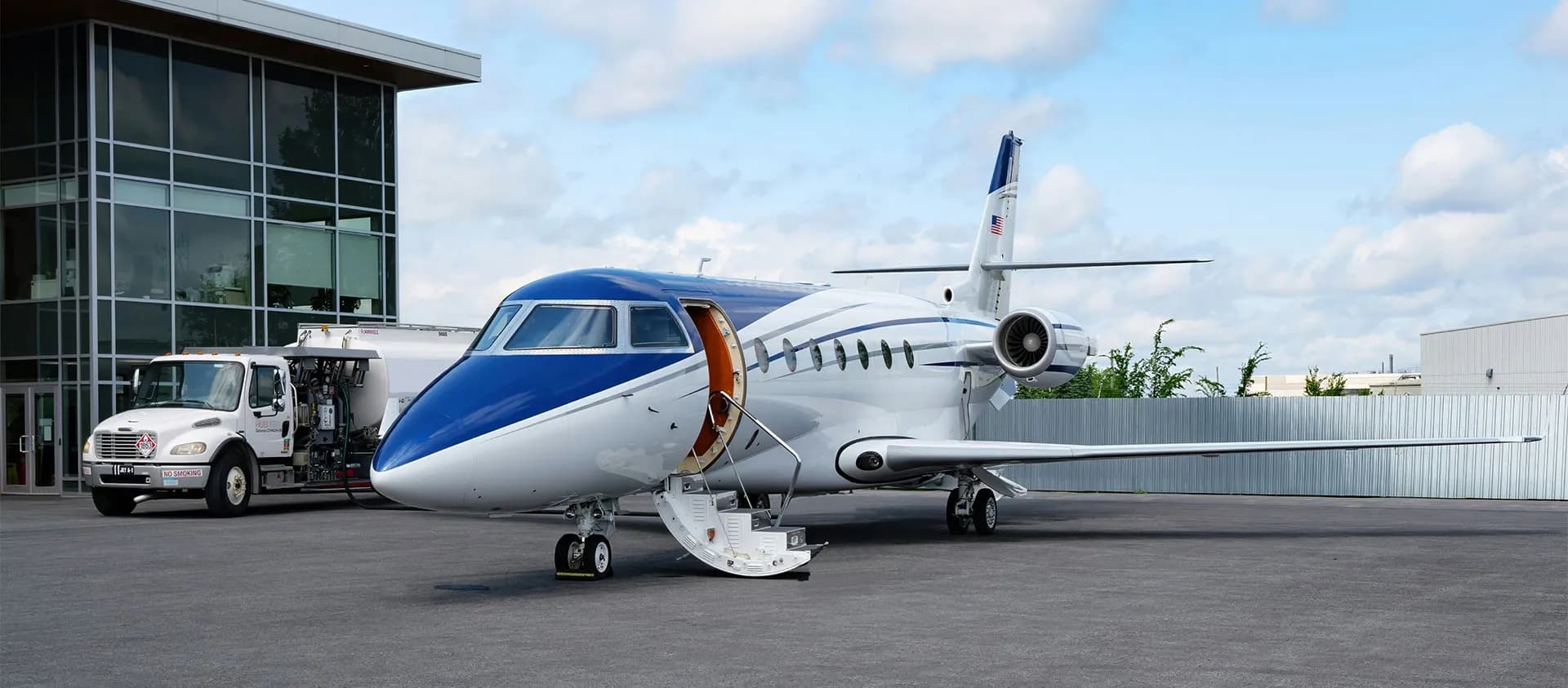
Bowser (truck) refuelling suits smaller airports or remote locations, offering flexibility but slower rates and higher labor costs. Hybrid approaches emerge at growing regional airports.
Future infrastructure must accommodate emerging technologies. Hydrogen powered aircraft require specialized high-pressure storage and dispensing, prompting airports to plan dual-fuel capabilities. SAF blending also demands segregated storage to maintain certification.
Conclusion
Aviation fuel management demands integrated strategies addressing procurement, efficiency, sustainability, and infrastructure. 2026 operators succeeding combine aviation fuel management systems with SAF adoption and precise optimization - delivering 5-10% total cost reductions while meeting regulatory demands.
Reach out to the UAS Fuel Team for support with your jet fuel management.
Stay ahead with exclusive updates
similar Blogs
No similar blogs found.