




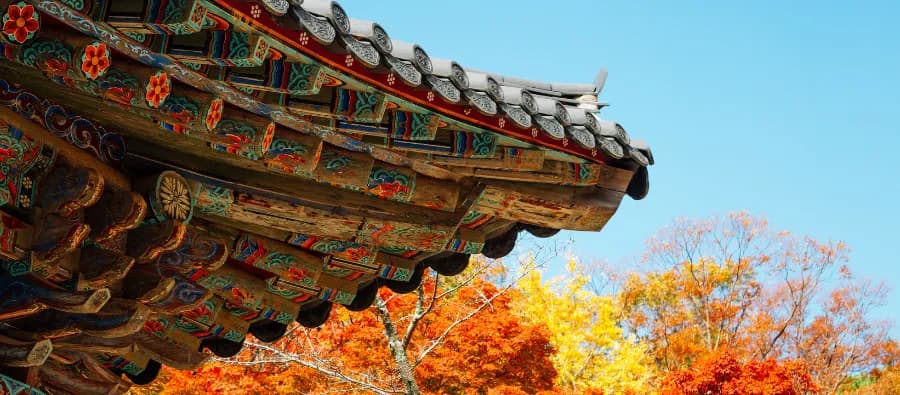
With its rich ancient history, spectacular artifacts, and fascinating architecture, Gyeongju is a welcome addition to any Hidden Gems destination list. South Korea's ancient capital offers a depth of historical and cultural experience that is unmatched anywhere else on the Korean Peninsula, and for those arriving by private charter, the combination of premium travel flexibility and access to one of Asia's most remarkable cities makes for an exceptional itinerary.
About Gyeongju
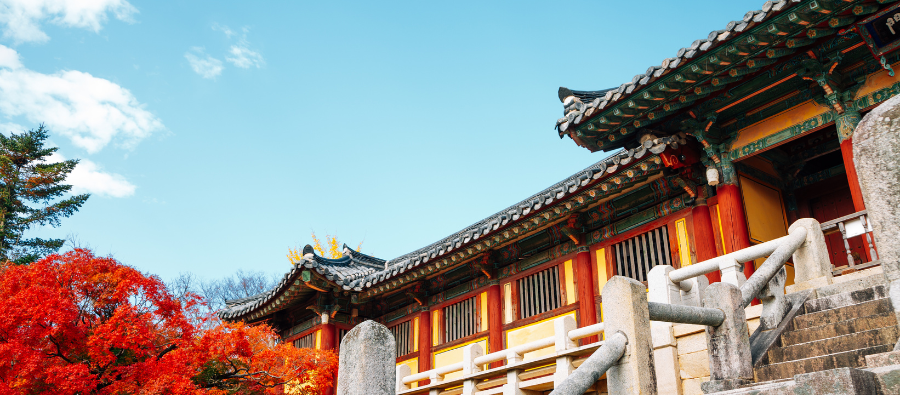
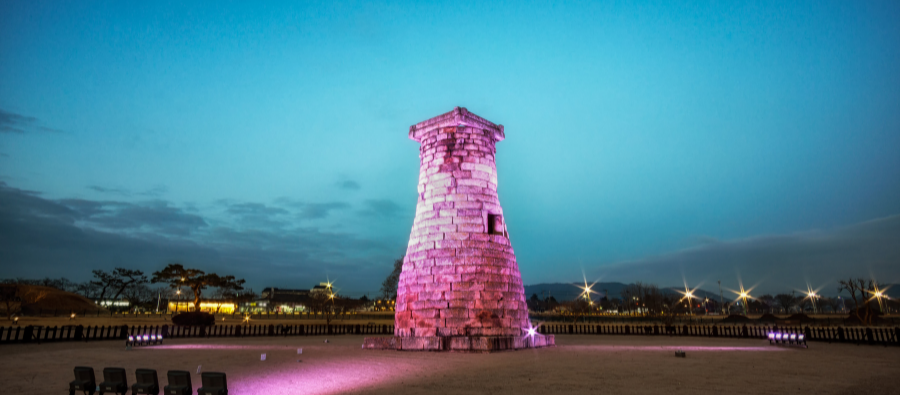
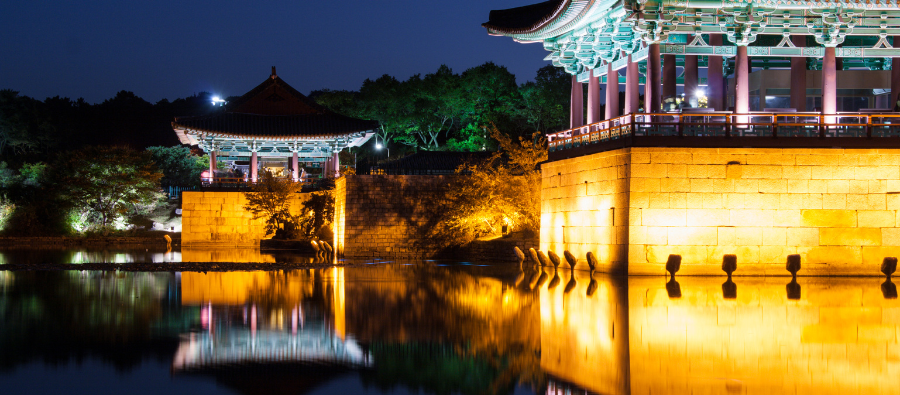
South Korea's ancient capital, Gyeongju, is situated in the North Gyeongsang Province on the southeast corner of the Korean Peninsula. Here, visitors can catch a glimpse of Korea's splendid past, as it was the residence of the Silla rulers for more than 1,000 years. A vast number of archaeological sites and cultural treasures from this period remain in the city, along with remarkable concentrations of outstanding examples of Korean Buddhist art such as sculptures, reliefs, pagodas, and the remains of temples and palaces from the flowering culture of the extraordinary Silla dynasty.
The city itself is very laid back and relaxed, and visitors can enjoy lots of parks, villages, and cafes to wander around and explore at their own pace. As an important center of history and culture, Gyeongju is a popular tourist destination for both South Korean and international visitors. It routinely attracts more than 5 million South Koreans and 750,000 foreign visitors each year.
What Makes Gyeongju Unique
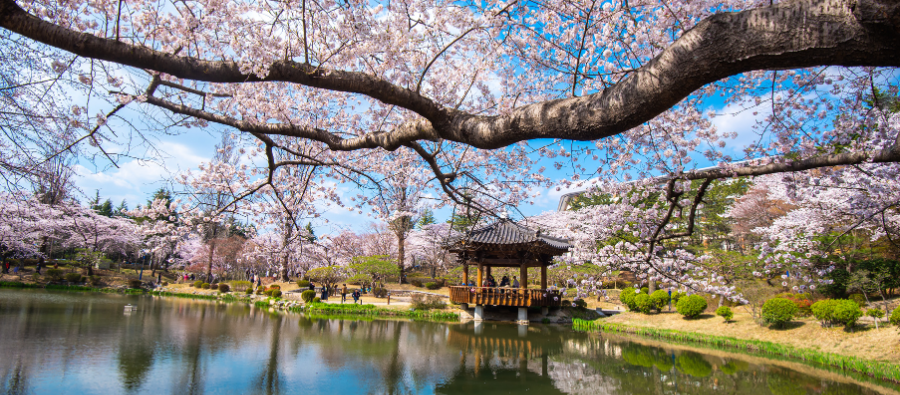
The sheer concentration of historical and religious sites in this ancient city distinguishes it from all other cities in South Korea. In Gyeongju, visitors can appreciate the modernity the country is famous for while also immersing themselves in its cultural heritage. This balance between the contemporary and the ancient is one of the defining qualities of a Gyeongju travel guide experience, and one that is difficult to find in the more urban centers of Seoul or Busan.
For those researching things to do in Gyeongju, the answer is straightforward: history, art, architecture, and natural beauty in a compact, navigable city that rewards leisurely exploration. Although Korean public transport is efficient and inexpensive, walking is the best way of truly appreciating Gyeongju and the density of what it has to offer.
Best Time to Visit
The best time to visit Gyeongju are the months of May, June, July, August, September, and October, though visitors should be prepared for rain in July and August. The city's parks, temples, and outdoor archaeological sites are at their most impressive in the spring and autumn months, when the weather is mild, and the natural surroundings are at their best. Regardless of the time of year, the indoor cultural attractions and the city's relaxed cafe culture make Gyeongju a rewarding destination throughout the extended season.
Gyeongju Attractions
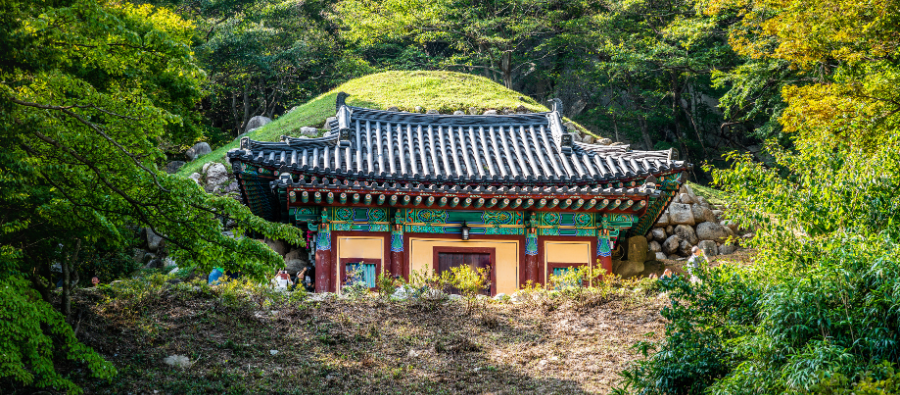
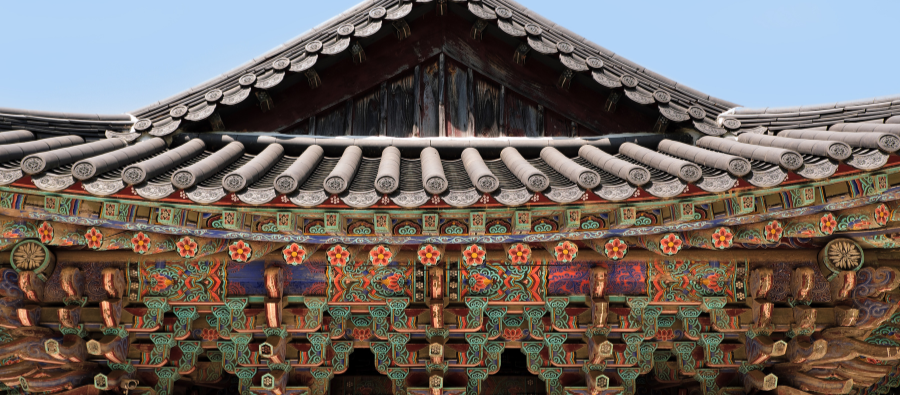
Among the key Gyeongju attractions, visitors will find a remarkable concentration of UNESCO World Heritage sites and nationally designated cultural treasures. The Buddhist art alone, including sculptures, reliefs, and pagodas from the Silla period, represents a body of work of extraordinary historical importance and aesthetic quality.
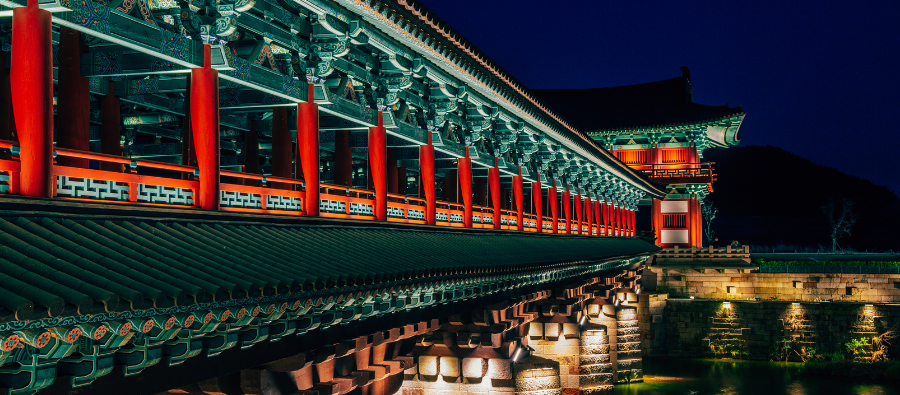
The city's parks, temples, and palace remains offer a coherent sense of what life and culture looked like under the Silla dynasty, and the surrounding natural landscape adds further depth to the experience. For those specifically seeking cultural immersion, Gyeongju delivers a density of things to do in Gyeongju that is unusual even by the standards of South Korea's already impressive cultural offering.
Arriving by Private Charter
Chartering a jet to visit Gyeongju will ensure you enjoy premium safety, privacy, and luxury, and will allow the flexibility to curate your trip to your own specifications. The two closest airports to Gyeongju are Pohang Airport (RKTH) and Gimhae Airport (RKPK); however, the best stations for private flight entry and services are RKSI and RKSS. South Korea's excellent rail system makes travelling to Gyeongju from either of these airports effortless, and the journey itself forms part of the overall travel experience.
Entry Requirements and Visas
Foreign citizens from around 110 countries can visit South Korea for tourism without having to obtain a visa in advance. Most visa-exempt visitors must have an approved South Korea Electronic Travel Authorization to enter for tourism, regardless of the length of their stay. The ETA is a multiple-entry visa waiver valid for 2 years and is easily obtained through a quick and simple online application. The length of visa-free stay permitted for tourism depends on the traveler's nationality and ranges from 30 days to 3 months. Visitors should check the official immigration portal of the Republic of Korea for the specific requirements applicable to their passport.
There are no PCR results or vaccination documents required to enter South Korea. This straightforward entry framework makes Korea one of the easier international destinations to plan for, and for private charter clients, the combination of visa-free access and excellent airport facilities at RKSI and RKSS makes the overall arrival experience exceptionally smooth.
Local Customs
Tipping is not the custom in South Korea and leaving a tip may cause offence. Visitors should be aware of this cultural difference and plan accordingly. Although Korean public transport is efficient and inexpensive, walking is the best way of appreciating Gyeongju specifically, given the compact nature of its historical district and the density of Gyeongju attractions within walking distance of one another.
Operations Support
Planning a private charter to South Korea to explore the Gyeongju attractions and cultural highlights? UAS International Trip Support coordinates your entire mission from permits and ground handling to passenger logistics. Contact UAS to create your ideal South Korea itinerary.
Stay ahead with exclusive updates
similar Blogs
No similar blogs found.