




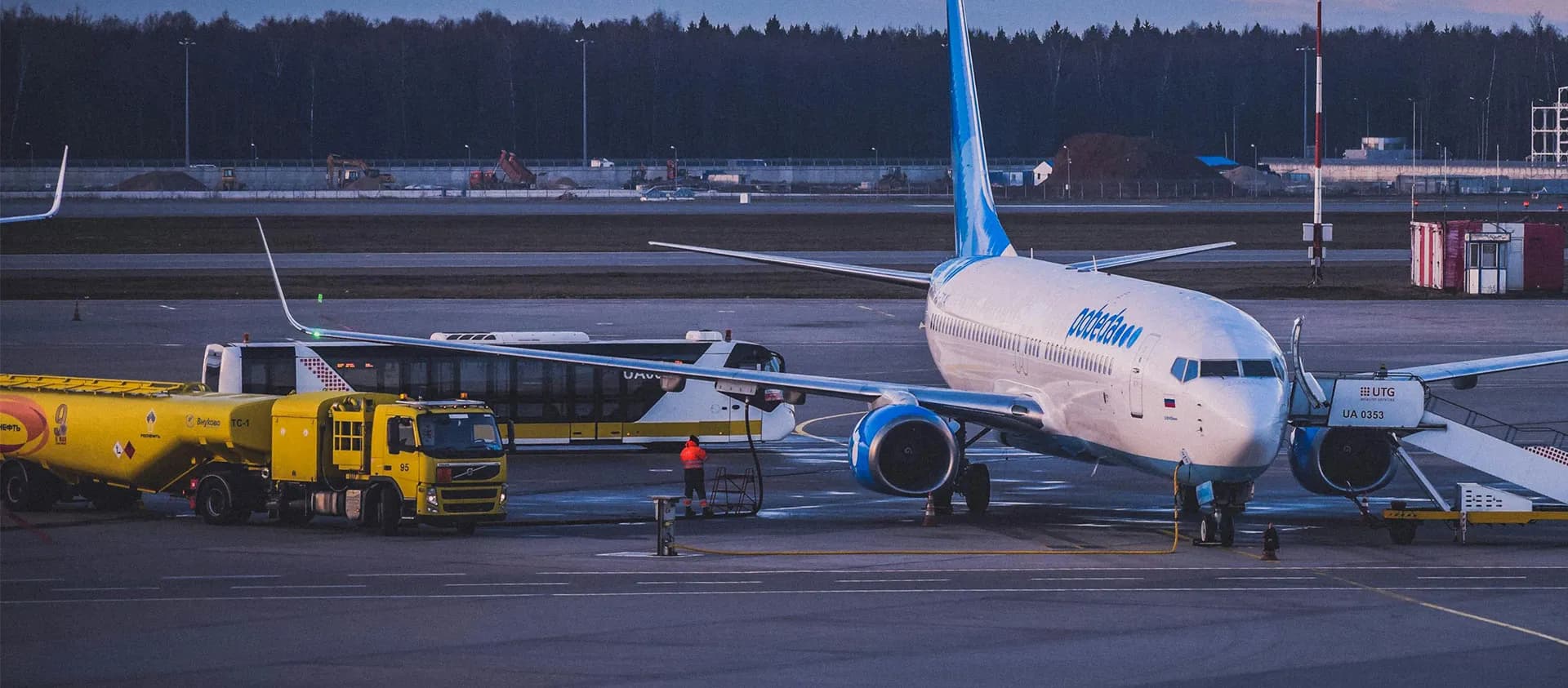
The Middle East remains at the strategic center of global oil and aviation fuel production. The region refines a substantial portion of the jet fuel that keeps aircraft moving across continents, and this underpins essential fuel flows into Europe, Asia, and Africa. However, ongoing regional instability, particularly around the Persian Gulf and the Strait of Hormuz, has disrupted tanker movements and strained global fuel logistics. This is leading to rising insurance premiums and delayed shipments.
According to recent updates from Watson Farley & Williams and S&P Global, refinery damage, operational downtime, and constrained output from major Gulf facilities have tightened product availability. Regional military demand is also competing for refined product, further impacting commercial supplies. The Centre for Aviation (CAPA) has stated that in Europe, a continent that relies on the Gulf for 25–30% of its jet fuel imports, the impact has been immediate and significant.
The Impact of Global Jet Fuel Disruption
What began as a regional disruption is now reshaping aviation fuel markets worldwide. Supply chains are under strain and operators have been told to anticipate delays. The constriction of supply lines has led to global jet fuel prices surging. Last week, S&P Global Commodity Insights reported that European SAF premiums have narrowed as jet fuel prices escalated sharply. There have also been reports of major carrier Air France–KLM announcing fare adjustments linked to the rising costs. Similarly, in APAC, airlines in Vietnam and other emerging markets are warning of potential shortages and higher operating costs.
Jet fuel historically represents 20–30% of an aircraft's operating costs. When availability shifts or prices rise, it impacts pricing, route decisions, and aircraft utilization. In these scenarios, operators often switch to shorter-haul rotations to mitigate exposure. For global flight operations and business aviation, flexibility is essential. Flight planners and dispatchers increasingly rely on real-time intelligence and partnerships with trusted fuel and operations providers to navigate fuel allocation and scheduling challenges efficiently.
What Operators Can Expect
In the short term, jet fuel supply chains will remain tight due to shipping disruptions and volatile refinery output. Regional suppliers have introduced new surcharge mechanisms, shifting from monthly to weekly pricing revisions. Yet, despite global pressures, airports across the Middle East continue operating normally, with stable fuel storage levels and no major disruptions to refueling. However, schedules remain fluid as operators adjust to evolving overflight and routing realities. Stations in Asia and Europe have started to experience limited short-notice availability due to tightened supplier restrictions. Several providers are prioritizing long-term contracts and essential service operations first. According to UAS Africa, fuel availability remains adequate in most markets. In countries like Nigeria, the situation reflects price volatility rather than true scarcity. Local marketers are cautious about absorbing steep, short-term price spikes of up to 80%, suspending uplift activity until market conditions normalize.
At UAS, we continue to monitor developments across all regions in real time through our preferred supplier network and provide immediate, transparent updates to our clients. Our mission is to ensure every operator remains mission-ready with the access and support they need.
The UAS Fuel team is standing by 24/7 to provide global fuel solutions. Click here to get in touch.
Stay ahead with exclusive updates
similar Blogs
No similar blogs found.