




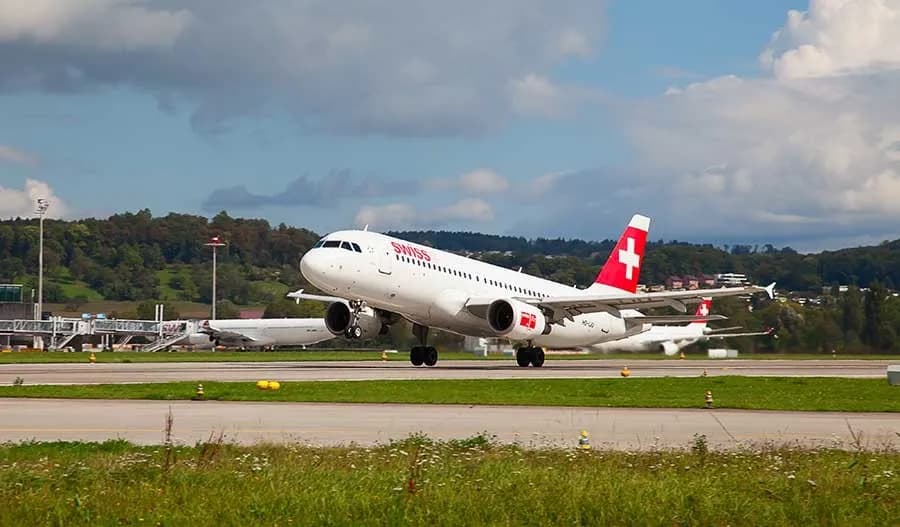
Compliance with European Commission Rule No. 1332/2011 introduced a mandatory carriage requirement for ACAS II (TCAS II) version 7.1 within European Union airspace. This regulation applies to aircraft with a maximum take-off weight exceeding 5,700 KG or those authorized to carry more than 19 passengers. The mandate began on March 1, 2012, with retrofit compliance required by December 1, 2015.
Understanding TCAS II version 7.1, the TCAS 7.1 mandate, and the associated TCAS 7.1 requirements remains essential for operators conducting operations within EU airspace. Although introduced several years ago, compliance continues to be a regulatory requirement and remains operationally relevant.
EU Mandate for TCAS II Version 7.1
Commission Regulation (EU) No. 1332/2011 requires TCAS II v7.1 for aircraft exceeding 5,700 KG maximum take-off weight or authorized to carry more than 19 passengers when operating in European Union airspace. The mandate became applicable on March 1, 2012, with a retrofit deadline of December 1, 2015.
The regulation introduced mandatory carriage of ACAS II (TCAS II) version 7.1 to address safety concerns identified in version 7.0. The objective of the rule was to enhance safety in response to operational concerns observed under the previous standard.
Flights without TCAS II version 7.1 are technically no longer allowed within EU airspace. There is no exemption from Eurocontrol, and Eurocontrol is not granting exceptions. This restriction is based on EU law issued by EASA. EASA is not responsible for enforcing the regulation; enforcement decisions are made at the state level.
Receiving an exemption from every member state is unlikely, and requirements differ by state. Therefore, understanding the regulatory framework and ensuring compliance with TCAS 7.1 requirements remains critical for operators intending to operate in EU airspace.
Why It Matters: Safety Improvements
Safety issues identified in version 7.0 included:
Unintentional opposite pilot response to “Adjust vertical speed, adjust” Resolution Advisories (RAs)
Level busts following “Adjust vertical speed, adjust” RAs
Flaws in reversal logic
TCAS II version 7.1 addresses these safety concerns through specific improvements.
First, version 7.1 replaces the ambiguous “Adjust vertical speed, adjust” RA with a clearer “Level off, level off” RA. This change was implemented to provide clearer pilot instructions and reduce the risk of unintentional opposite pilot responses and level busts.
Second, version 7.1 introduces improvements to reversal logic. Under the enhanced reversal logic, if one aircraft does not follow a Resolution Advisory, the system can trigger a reverse advisory to the other aircraft. This improvement was designed to address flaws identified in the previous logic and enhance coordinated collision avoidance.
These updates form the core safety enhancements that differentiate TCAS II version 7.1 from version 7.0 and explain the regulatory shift toward mandatory implementation.
Compatibility & Global Context
TCAS II version 7.1 is backward-compatible and aligns with ICAO Annex 10 phased requirements. The global implementation framework required new installations by 2014 and full compliance by 2017.
This alignment ensures interoperability and standardization across international operations. For operators conducting cross-border operations, particularly those involving EU airspace, understanding the compatibility and phased requirements of TCAS 2 aviation systems is essential.
The TCAS 7.1 mandate reflects a harmonized approach to airborne collision avoidance requirements within international aviation frameworks. For aircraft already equipped in accordance with global phased requirements, version 7.1 provides compatibility within broader international operations while satisfying EU regulatory standards.
Exemptions and Operational Considerations
While flights without TCAS II version 7.1 are technically not permitted in EU airspace, possible exemptions exist under specific circumstances.
When the aircraft is registered in an EU member state, or registered in a third country but with an EU member state responsible for operations, a 14.4 exemption must be requested from the national aviation authority responsible for the operation.
When the aircraft is not European registered, or when a non-EU state is responsible for operational approval, exemptions must be requested from each European state in whose airspace the aircraft intends to operate.
It is important to note that receiving an exemption from every member state is unlikely. Requirements vary by state, and approval is not guaranteed.
For concerned authorities to consider permission requests, operators must submit an exemption application along with required documentation, including:
• Air Operator Certificate with Ops Spec
• Certificate of Airworthiness
• Certificate of Registration
• Certificate of Insurance
• Noise Certificate
Authorities may apply additional charges when an aircraft is operating under a Special Flight Permit or a Limited Certificate of Airworthiness.
These procedural elements highlight the importance of preparation and regulatory coordination when evaluating potential exemption pathways.
Why It Still Matters in 2025
Despite advancements in modern surveillance tools such as ADS-B, TCAS II version 7.1 remains the only onboard system providing real-time, coordinated collision avoidance without reliance on ground-based systems.
The regulatory framework established under Commission Regulation (EU) No. 1332/2011 continues to define TCAS 7.1 requirements for qualifying aircraft operating in EU airspace. Operators conducting international operations must ensure that aircraft exceeding 5,700 KG or authorized to carry more than 19 passengers meet the TCAS II version 7.1 mandate.
The ongoing relevance of TCAS II v7.1 lies in its onboard, coordinated collision avoidance capability and the safety improvements introduced over version 7.0. The replacement of ambiguous advisories and enhancements to reversal logic remain integral to operational safety.
As regulatory oversight remains in effect and enforcement decisions are made at the state level, operators must maintain compliance awareness when planning flights into or within European Union airspace.
Conclusion
The introduction of TCAS II version 7.1 under Commission Regulation (EU) No. 1332/2011 established clear TCAS 7.1 requirements for aircraft operating within EU airspace that exceed 5,700 KG maximum take-off weight or are authorized to carry more than 19 passengers.
The TCAS 7.1 mandate addressed identified safety concerns in version 7.0 by introducing clearer Resolution Advisories and enhanced reversal logic. While exemptions may be requested under limited circumstances, approval is uncertain and varies by state.
TCAS II version 7.1 remains aligned with ICAO Annex 10 phased requirements and continues to represent the applicable standard for qualifying aircraft within the European Union.
For operators requiring support with regulatory coordination, documentation handling, and operational planning within EU airspace, UAS provides aviation trip support services, business aviation trip support, and urgent aviation trip support services as an international trip support company.
To discuss your upcoming operations and ensure regulatory readiness, contact UAS through our Contact Us page.
Stay ahead with exclusive updates
similar Blogs
No similar blogs found.