




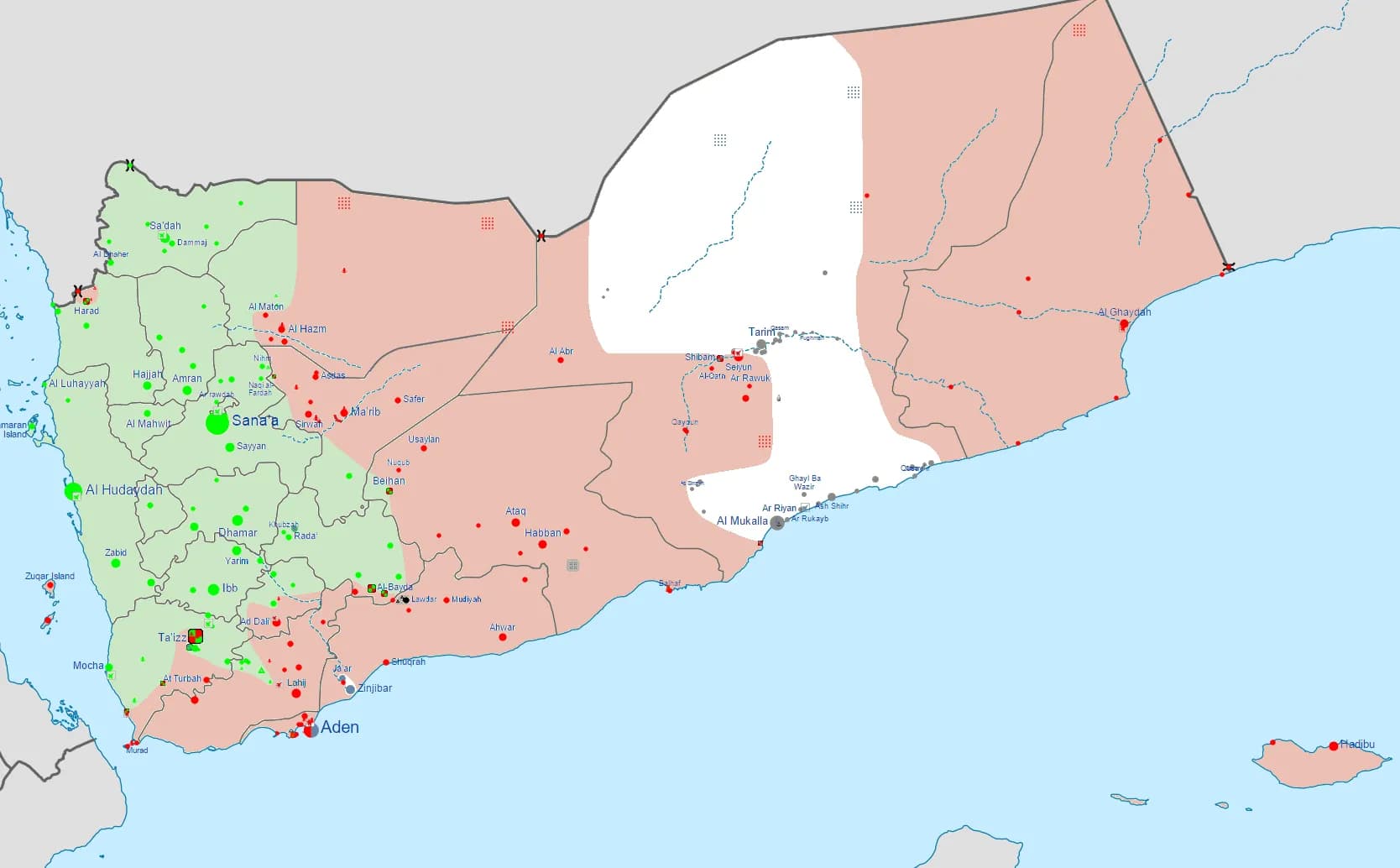
Overview: Yemen Airspace Risks
Yemen airspace has been formally identified as unsafe for aviation operations due to the security situation in the country and the risks posed to air traffic. Operators in the Middle East and internationally have been warned that flying over Yemeni airspace presents significant danger. Authorities have stated that the airspace possesses risks to aircraft and crew, making it unsuitable for routine operations.
These warnings emerged in the context of escalating political and military instability within Yemen. Armed conflict and active hostilities have created an environment in which civil aviation safety cannot be assured. As a result, Yemen airspace has become a high-risk zone for all types of operators, including commercial airlines, general aviation, ambulance flights, and humanitarian missions.
The unsafe status of the airspace has had immediate operational consequences. Many aircraft previously operating within Yemen were forced to relocate to neighboring countries. This displacement created secondary challenges, including congestion at alternate airports and increased demand for parking and landing permissions outside Yemen.
Regulatory Actions and No Fly Declarations
Regulatory action concerning Yemen airspace began in March 2015, following the launch of a ten-country Saudi-led coalition offensive against Shi’ite Muslim Houthi rebels. The military operation, known as Operation Decisive Storm, commenced on March 25, 2015, in response to Yemen’s escalating political situation.
Shortly after the start of the offensive, Yemen airspace was declared unsafe by the General Authority of Civil Aviation. In a circular issued from the authority’s Jeddah base, Middle East operators were warned that the airspace was too dangerous for use and posed a direct risk to air traffic. This declaration effectively removed Yemen airspace from normal operational planning.
In parallel, the Saudi-led coalition formally declared Yemen airspace a restricted zone. The coalition urged both aircraft and maritime traffic to avoid the country’s airspace and ports. These actions marked a decisive shift in regulatory posture, signaling that the safety conditions required for civil aviation operations no longer existed.
The restricted status applied broadly and affected all operators without distinction. The situation was not limited to commercial flights alone but extended to all categories of aviation activity.
International Aviation Advisories
International aviation authorities reinforced the restricted status of Yemen airspace through formal advisories. These advisories reflected a shared assessment of elevated risk levels associated with operations in and around Yemen.
The United States Federal Aviation Administration issued Special Federal Aviation Regulation 115, which imposed a total ban on flight operations north of a defined boundary, while allowing only limited offshore routing under specific conditions. This measure was introduced to protect U.S. operators from risks associated with conflict activity in the region.
Similarly, the European Union Aviation Safety Agency issued Conflict Zone Information Bulletins advising operators to avoid Yemeni land areas and exercise caution over adjacent oceanic airspace. These advisories highlighted that risks were not confined solely to land but could also affect offshore routing near Yemen.
Together, these international advisories reinforced the position that Yemen represents a conflict zone with aviation-specific hazards requiring avoidance or significant operational restrictions.
What Airlines Are Doing
In response to regulatory declarations and international advisories, the majority of international operators have chosen to completely avoid Yemen airspace. Commercial airlines have adjusted flight paths to reroute far offshore or bypass the region entirely, prioritizing safety over route efficiency.
Operational discussions within the aviation community support the avoidance of the Sanaa Flight Information Region and Yemeni land zones. These decisions reflect a consensus that the risks associated with Yemen airspace outweigh the operational benefits of overflight.
Aircraft that were previously based in Yemen have been relocated to alternate airports in neighboring countries. As a result, airports such as Djibouti have experienced increased parking demand. In some cases, parking capacity reached maximum levels, leading to rejected landing requests when space was unavailable.
Landing permissions at alternate airports have required advance coordination, with a minimum notice period applied due to congestion. These conditions have affected operators across all sectors, including humanitarian and ambulance flights.
Key Incidents and Ongoing Dangers
The decision to declare Yemen airspace unsafe is rooted in the ongoing dangers associated with the conflict. Military activity, including airstrikes and the targeting of air defense positions, has contributed to an environment where civil aviation operations cannot be safely conducted.
The Saudi-led coalition began military operations with airstrikes targeting key militia positions, with a particular emphasis on air defense infrastructure. These actions underscored the elevated threat level within Yemeni airspace.
The continued instability and presence of armed groups mean that the risks to aviation are not limited to a specific timeframe. Instead, they represent an ongoing hazard that requires sustained avoidance and careful operational planning.
These dangers have reinforced the position of regulators and operators that Yemen airspace remains unsuitable for normal flight operations.
Safe Routing and Operational Practices
Given the unsafe status of Yemen airspace, operators flying in the broader region have adopted routing practices designed to maintain distance from Yemeni land areas. Where operations continue near the region, offshore routing is favored to reduce exposure to identified risks.
Operators rely on continuous monitoring of advisories, circulars, and regulatory updates to inform their planning. Risk assessments are an essential part of operational decision-making, particularly when flights involve proximity to restricted or conflict-affected airspace.
The displacement of aircraft and the congestion at alternate airports have required careful coordination around landing permissions, parking availability, and advance notice requirements. These operational considerations apply to all flights, including those conducted for medical or humanitarian purposes.
The situation underscores the importance of structured trip planning and real-time operational awareness when navigating airspace affected by conflict-related restrictions.
Summary: Safe Flying Around Yemen
Since March 2015, Yemen airspace has been treated as a restricted or no fly zone due to the risks posed by ongoing conflict and military operations. Regulatory declarations by regional authorities, combined with international aviation advisories, have established a clear operational reality for the aviation industry.
The majority of operators now avoid Yemen airspace entirely, rerouting flights offshore or selecting alternate paths to maintain safety. Aircraft previously operating within Yemen have been relocated, creating secondary operational challenges at neighboring airports.
Yemen remains an environment where civil aviation safety cannot be assured. Operators must continue to rely on official advisories, regulatory guidance, and careful planning when operating in the surrounding region.
To discuss your operational requirements or request trip support assistance, contact UAS.
Stay ahead with exclusive updates
similar Blogs
No similar blogs found.