




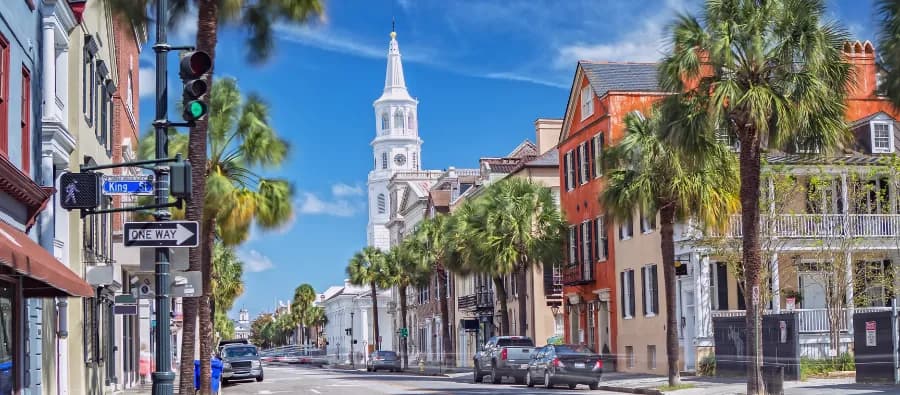
With its Southern charm, dark and romantic history, and modern arts and culinary scene, Charleston, South Carolina stands out as a destination that rewards deeper exploration. Beyond its well-known landmarks and historic streets, the city is home to a collection of lesser-known places that reveal a quieter, more reflective side of the Holy City. These hidden gems highlight Charleston’s natural beauty, architectural depth, artistic expression, and community character, offering visitors a richer understanding of what makes this coastal city distinctive.

Originally settled in 1670 as Charles Town in honor of King Charles II, Charleston is steeped in history, romance, and tradition. Cobblestone streets, antebellum homes, hidden gardens, and historic landmarks sit alongside a contemporary coastal culture, a thriving nightlife, and a celebrated culinary scene. This balance between past and present is what allows Charleston to continually reveal new layers to those willing to look beyond the obvious.
Hidden Natural Wonders & Quiet Retreats
Charleston’s reputation as a historic port city often overshadows its natural sanctuaries. Tucked away from the busiest streets are peaceful spaces that invite visitors to slow down and experience the city through its landscapes and green retreats.
One of the most awe-inspiring natural landmarks near Charleston is the Angel Oak Tree. This centuries-old tree is widely admired for its immense size and sprawling branches, creating a powerful sense of continuity with the region’s past. Standing beneath it offers a quiet moment of reflection and a tangible connection to generations that have passed through the Lowcountry.
Within the city itself, Hampton Park’s secret garden trails provide a peaceful floral escape. These lesser-known paths wind through carefully maintained greenery, offering calm strolls that contrast with Charleston’s more frequented attractions. The park’s atmosphere makes it an ideal place to pause, observe seasonal blooms, and enjoy a slower pace within the urban environment.
For those drawn to natural history and wildlife, the Caw Caw Interpretive Center offers trails that move through marshes and former rice plantation landscapes. The area combines natural scenery with historical context, allowing visitors to experience birdlife and wetlands while learning about the land’s layered past. This setting illustrates how Charleston’s natural environment and human history are closely intertwined.
Secret Historic Corners & Architecture
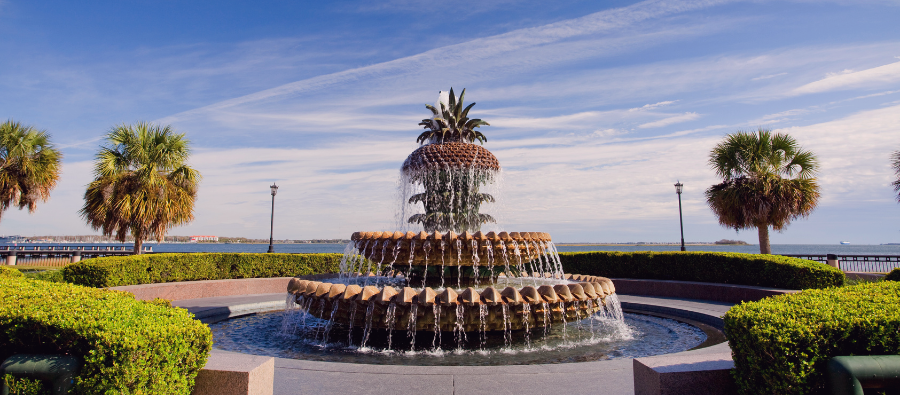
Charleston’s historic identity is well known, yet many of its most compelling architectural and historical spaces remain quietly tucked away. These locations reveal stories that are not always visible along the main thoroughfares.
Philadelphia Alley, often referred to as “Duelers’ Alley,” is one such place. Narrow and atmospheric, the alley carries stories of Charleston’s past, blending historic intrigue with an enduring sense of mystery. Walking through it offers a glimpse into the city’s layered narratives and the traditions that once shaped its social life.
Equally captivating are the hidden courtyards scattered throughout Charleston. Concealed behind historic facades, these ivy-clad sanctuaries provide moments of calm and privacy. Often unnoticed by passersby, they reveal how Charleston’s architecture was designed not only for public display but also for quiet, inward-looking spaces that balance elegance with intimacy.
Another remarkable historic site is the Powder Magazine, recognized as America’s oldest surviving public building. Now serving as a museum, it stands as a testament to Charleston’s early defensive history and its strategic importance as a port city. Its preservation allows visitors to engage directly with the physical structures that shaped the city’s development.
Unusual Museums & Off-the-Beaten-Path Attractions
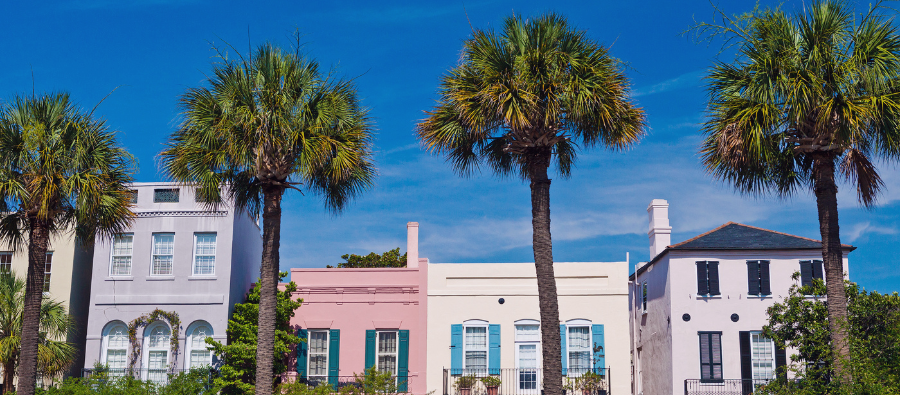
Beyond Charleston’s larger institutions, a selection of smaller and more unusual museums adds depth to the city’s cultural landscape. These attractions often surprise visitors with their specificity and character.
The Macaulay Museum of Dental History offers a distinctly unconventional experience. Housing historical artifacts from a bygone era, it provides insight into the evolution of dental practices in a setting that feels both educational and unexpected. This museum exemplifies Charleston’s willingness to preserve and present niche aspects of history that might otherwise be overlooked.
In contrast, the Halsey Institute of Contemporary Art represents Charleston’s engagement with modern creativity. Located within a calm college setting, it hosts cutting-edge exhibitions that reflect current artistic conversations. The institute offers a quieter environment in which to engage with contemporary art, reinforcing Charleston’s role as a city where tradition and modern expression coexist.
Local Highlights & Neighborhood Charm
Charleston’s character is deeply rooted in its neighborhoods and smaller public spaces. Away from major attractions, these local highlights capture the everyday elegance and community-focused spirit of the city.
Theodora Park is a tranquil pocket park that exemplifies this understated charm. With its fountain and artisan details, the park provides a welcoming place for rest and reflection. Its scale and design make it feel personal and intentional, reinforcing the idea that Charleston’s appeal lies as much in its subtle spaces as in its grand landmarks.
The Ansonborough neighborhood offers another perspective on Charleston’s quieter side. Known for its elegant streets and historic architecture, the area retains a distinctly local feel. Walking through Ansonborough allows visitors to experience Charleston as residents do, appreciating architectural continuity and neighborhood character without the crowds found in more prominent districts.

Food, Culture & Community Discoveries
Charleston’s cultural identity extends beyond architecture and history into spaces that celebrate creativity, literature, and culinary heritage. These discoveries reflect how community life continues to shape the city.
Buxton Books stands out as a beloved local bookstore and cultural gathering spot. Artsy and inviting, it serves as a place where literature and community intersect. Such spaces contribute to Charleston’s reputation as a city that values thoughtful engagement and creative expression.
Charleston’s evolving culinary tapestry also reflects hidden voices and traditions. The rediscovery of food heritage, including influences rooted in Gullah-Geechee traditions, highlights how the city’s cuisine continues to develop while honoring its past. These culinary narratives add depth to Charleston’s food scene, connecting contemporary dining experiences with cultural memory.
Charleston in Context
Charleston lies in the coastal southeastern region of the United States, just south of the middle of South Carolina’s coastline on Charleston Harbor, an inlet of the Atlantic Ocean. The city has a population of just over 150,000, while the wider metropolitan area is estimated to approach 850,000 residents. Charleston is widely associated with warmth, laid-back charm, and a strong sense of hospitality toward visitors.
The climate is characterized by hot, heavy summers and cooler, fresh winters, with periods of wet and cloudy weather throughout the year. Temperatures typically range from 43°F to 89°F, contributing to a year-round tourism economy that remains active while preserving the city’s traditional charm.
Charleston is one of America’s oldest cities and is often noted for its historical significance, including claims to several American firsts such as the first museum, public college, playhouse, and golf club. This blend of history, culture, architecture, and Southern charm continues to define the city’s identity.

Flying Private to Charleston
For those traveling by private aircraft, Charleston International Airport serves as the primary entry point. Chartering a private jet allows travelers to experience Charleston at their own pace, offering flexibility and a relaxed approach to arrival and departure.
Charleston International Airport operates 24/7 and supports general aviation operations. Facilities include available parking, fuel services, and an on-site FBO. Specific operational requirements apply, including the need for accurate eAPIS filings and appropriate landing permits. Customs services are available by prior arrangement during designated hours.
Located approximately 12 miles from downtown Charleston, the airport provides convenient access to the city while maintaining its role as South Carolina’s busiest airport.
Visitor Perspective
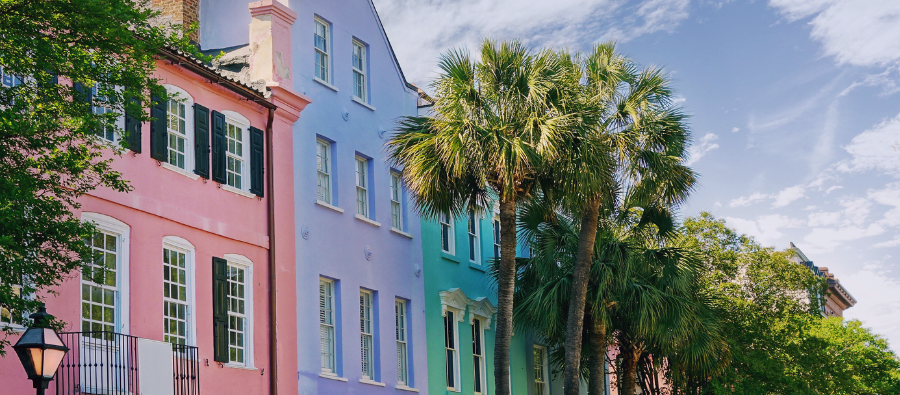
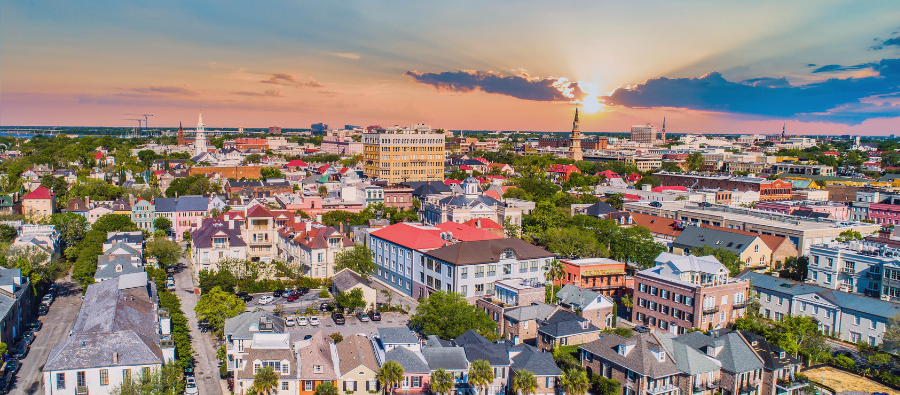
Charleston offers a diverse range of experiences, from historic tours and water-based activities to arts, nightlife, and plantation visits. Ghost tours bring the city’s haunted history to life, while distinctive details such as Haint Blue porch ceilings reflect longstanding local beliefs and traditions. Together, these elements contribute to a travel experience that balances storytelling, culture, and atmosphere.

To discuss your operational requirements or request trip support assistance, please contact UAS.
Stay ahead with exclusive updates
similar Blogs
No similar blogs found.